How Eco-Friendly Flowers are Changing the Game

Kimberly Dazey
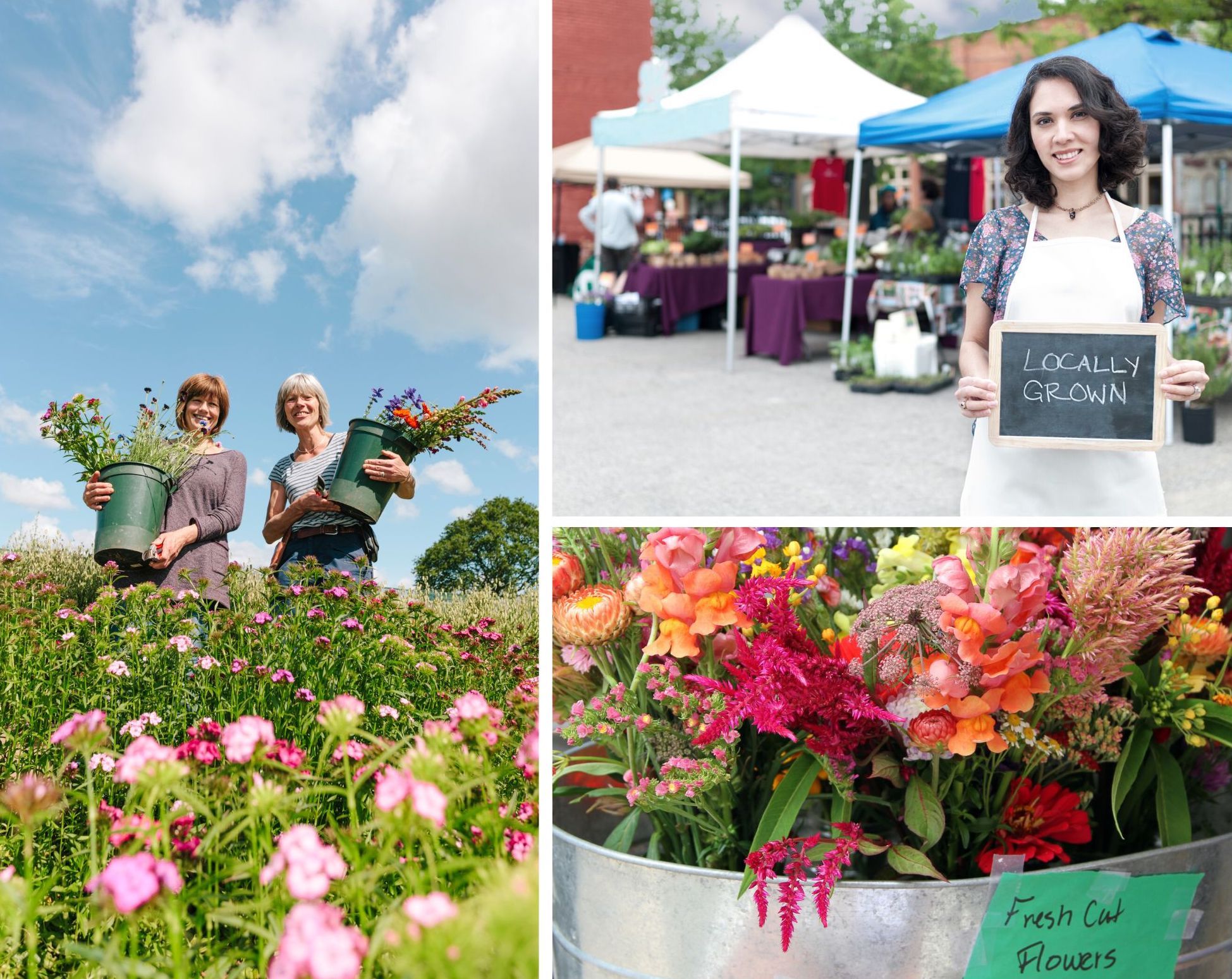
The cut flower industry is rapidly growing, but with it comes an increased strain on the environment. Traditional flower farming, still used in large-scale flower production today, often uses harmful pesticides and contributes to deforestation, high carbon emissions, water pollution, soil degradation, human exploitation, and negative impacts on human health. However, the tides are turning with the rise of sustainably grown local flowers.
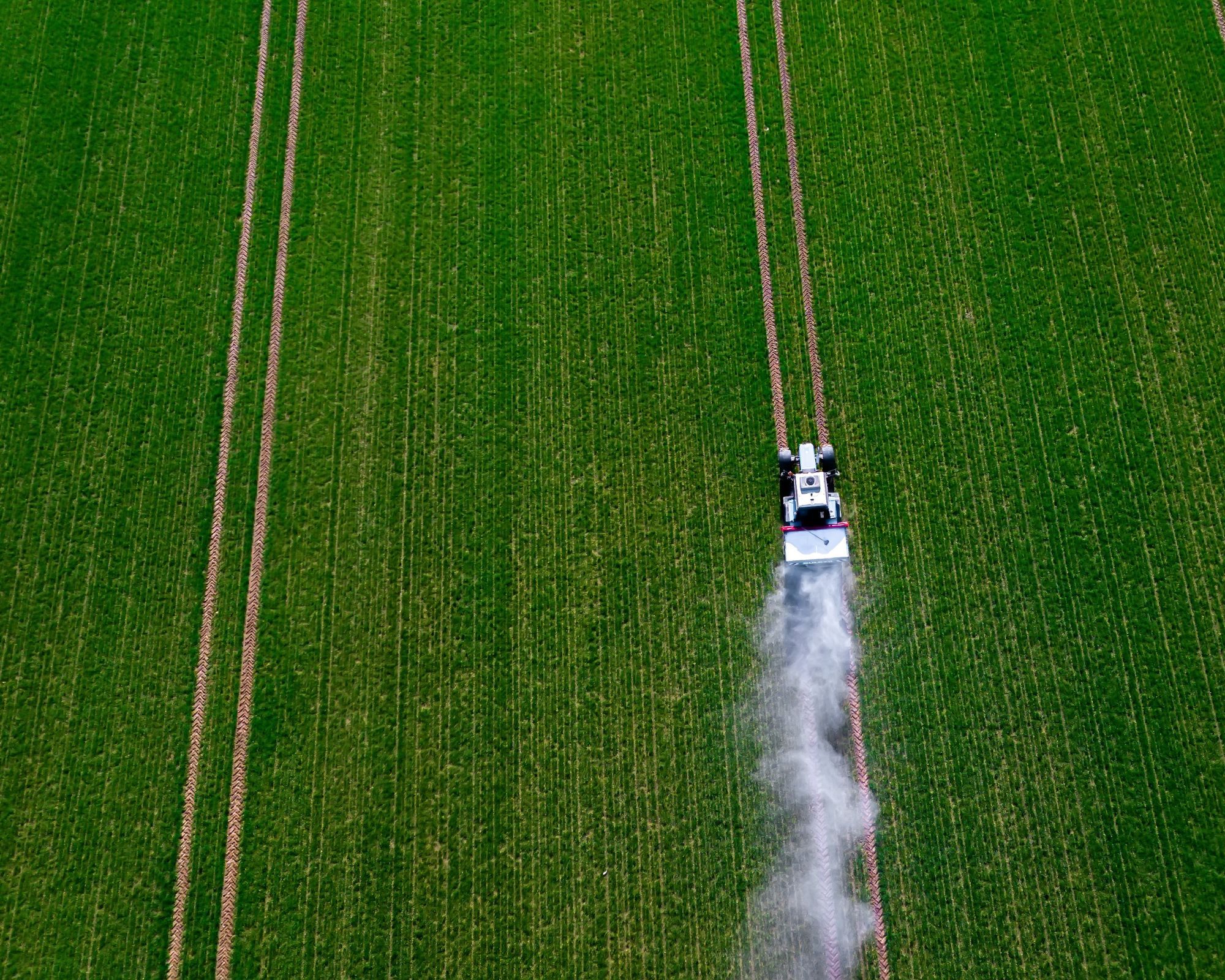
Sustainably grown flowers are not only better for the environment, but they also offer numerous benefits to both the growers and consumers. The use of sustainable practices, such as integrated pest management,* reduces the use of harmful pesticides, making the flowers safer for both the growers and the consumers. Additionally, sustainable flower farming can also promote biodiversity, improve soil health and conserve natural resources.
*Integrated Pest Management (IPM) is an eco-friendly approach to pest control that combines a variety of methods to reduce the use of pesticides and minimize their impact on the environment. Examples of IPM techniques include monitoring for pest outbreaks, using physical barriers, releasing beneficial insects, and using carefully selected and targeted pesticides only as a last resort.
Buy Local Flowers, Reduce Planetary and Human Impacts
When it comes to purchasing flowers, consumers now have the power to make a positive impact on the environment by choosing sustainable and locally grown options. Not only do these flowers provide a healthier product for you and the planet, but they are as beautiful and long-lasting as conventionally grown flowers. In fact, many people claim that sustainably grown flowers have a stronger scent and a more vibrant color compared to imported flowers.
Shop Small, Shop Sustainable for Your Bouquets
By supporting sustainable, local flower farmers, you are not only making a positive impact on the environment, but you are also supporting small businesses and local communities. These flower farmers often work directly with local florists or are florists themselves, providing a fresher, more eco-friendly option to the consumer while supporting small businesses.
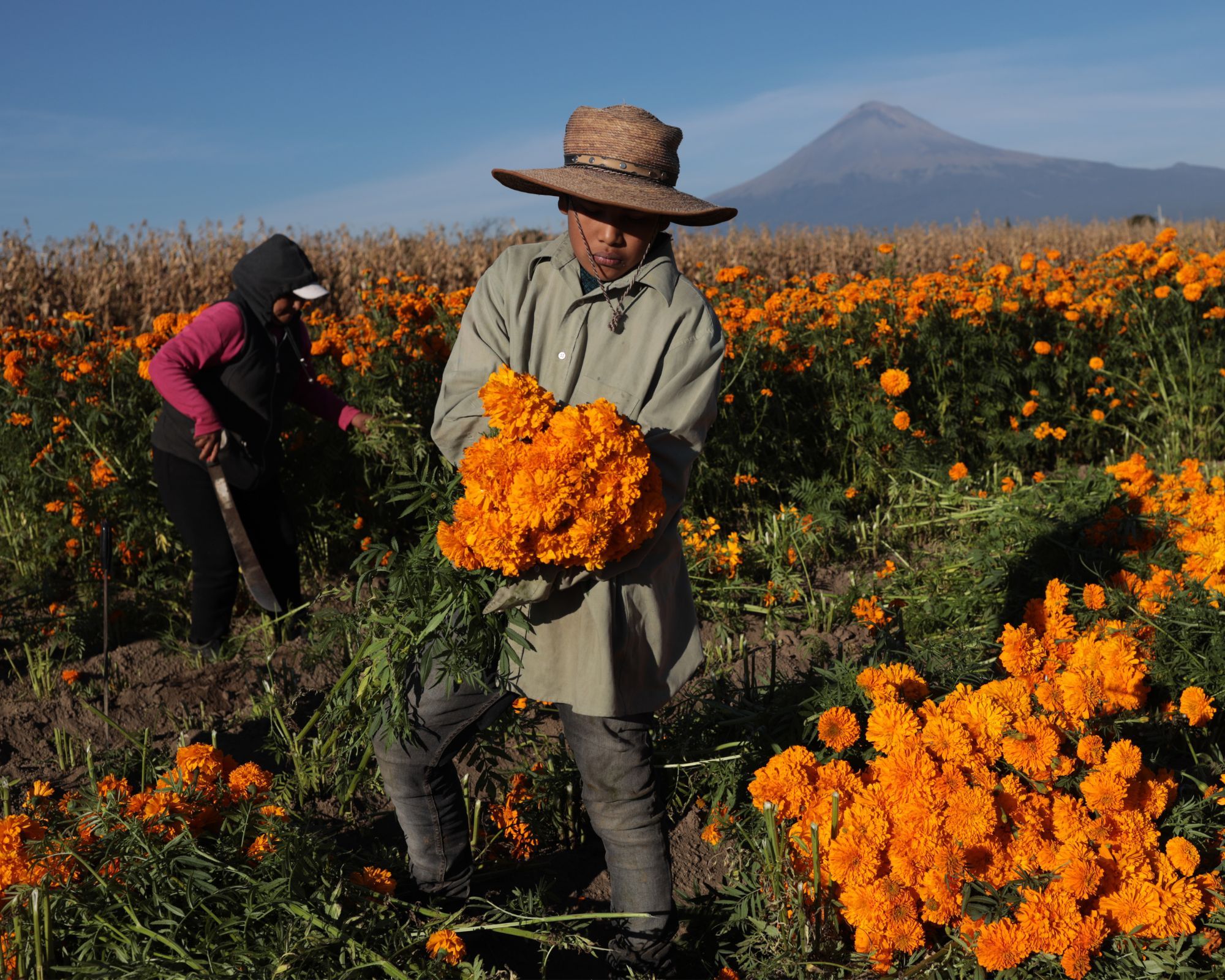
Chances Are…Your Flowers Aren’t From Here: The single largest producer of cut flowers in the world is Colombia, which exported an estimated 660 million stems in 2020(1). Two-thirds (2/3) of the flowers available in the United States are imported from Colombia or Ecuador. But, this comes at a massive human cost and environmental impact.
Serious Carbon Emissions from Imported Flowers: “Stems may be transported up to 6,000 miles in refrigerated airplane holds. In 2018, Valentine’s Day flowers grown in Colombia and flown to US airports produced some 360,000 metric tons of CO2, according to estimates by the International Council on Clean Transportation. To put that into perspective, that’s roughly equivalent to 78,000 cars driven for one year."(2)
Altered Short-Term Brain Activity from Floricultural Pesticides: Ecuadorian companies (corporate farms) are major culprits in unsustainable and very real impacts to both people and the environment. A group of US and Ecuadorian researchers found that children living close to Ecuador’s floricultural greenhouses — where pesticides were applied in the weeks preceding International Mother’s Day — had altered short-term brain activity. The researchers suggest that the children may have been exposed to contaminated clothing, shoes or tools brought home by floriculture workers. They’re also currently investigating whether pesticides are contaminating the water downstream from flower farms.(3)
Decreased Birth Rate in Floral Industry: According to BioMed Central, comparing women not working in the flower industry with women working in the flower industry, women in the industry had been pregnant fewer times (3.3 times versus 4.5 times), with more reported pregnancy losses(4). After adjusting for age, there was 2.6-fold observed increase in the odds of pregnancy loss among exposed women. Odds of reporting a pregnancy loss via spontaneous abortion increased with duration of flower employment, increasing to 3.4 times more likely among women working 4 to 6 years in the flower industry, compared to women who did not work in the flower industry.
Human Exploitation: According to Ideas.Ted.com, In addition to toxin exposure, workdays can be 16 hours. This makes it especially hard for women — who comprise most of the labor force — to get maternity leave and find childcare. In Colombia, flower production is the largest employer of women in rural areas. And according to an article published by the New York Times (5), “more than 60 percent of all [Ecuadorian] workers suffered headaches, nausea, blurred vision or fatigue.” The same article noted that workers at RosaPrima, a plantation in Ecuador, moved at a dizzying pace to cut, wrap and box 70,000 stems a day in the weeks before Valentine’s Day. Computers help supervisors track each stem and each worker’s productivity.
Importance of Sustainable and Local Flowers and Bouquets
Five Petal Fields supports the sustainable and locally grown flower movement. It’s an ideology that is rapidly gaining momentum and it’s well past time for everyone to jump on board. By choosing eco-friendly, stunning, sustainably grown flowers, we can create a more sustainable future for both the environment and future generations.
In conclusion, sustainably grown flowers are not just a trend but a necessary step towards a healthier and more sustainable future. By choosing sustainably grown flowers, we can support environmentally friendly practices, promote biodiversity, and improve our own health and well-being. Join the movement now and make a positive impact on the world, one stem at a time.
Sources
- Source: From drugs to flowers: Colombia’s Valentine’s Day rose boom
- Source: The environmental impact of cut flowers? Not so rosy
- Source: Dread of Roses: Neurobehavioral Effects Found in Children Exposed to Flower Pesticides
- Source: Employment in the Ecuadorian cut-flower industry and the risk of spontaneous abortion
- Source: Behind Roses’ Beauty, Poor and Ill Workers
Hidden Cost of the Wedding Flower Industry: What Engaged Couples Should Know
Wedding flower industry secrets: pesticide exposure, labor exploitation, and environmental costs. Your guide to ethical, locally-sourced wedding florals.
Lavender, Lemon, and Honey Roast Chicken
This juicy, crisp chicken gets roasted to sweet-and-sour perfection with lavender, thyme, olive oil, lemon, and honey.