It started with a dream
Our story
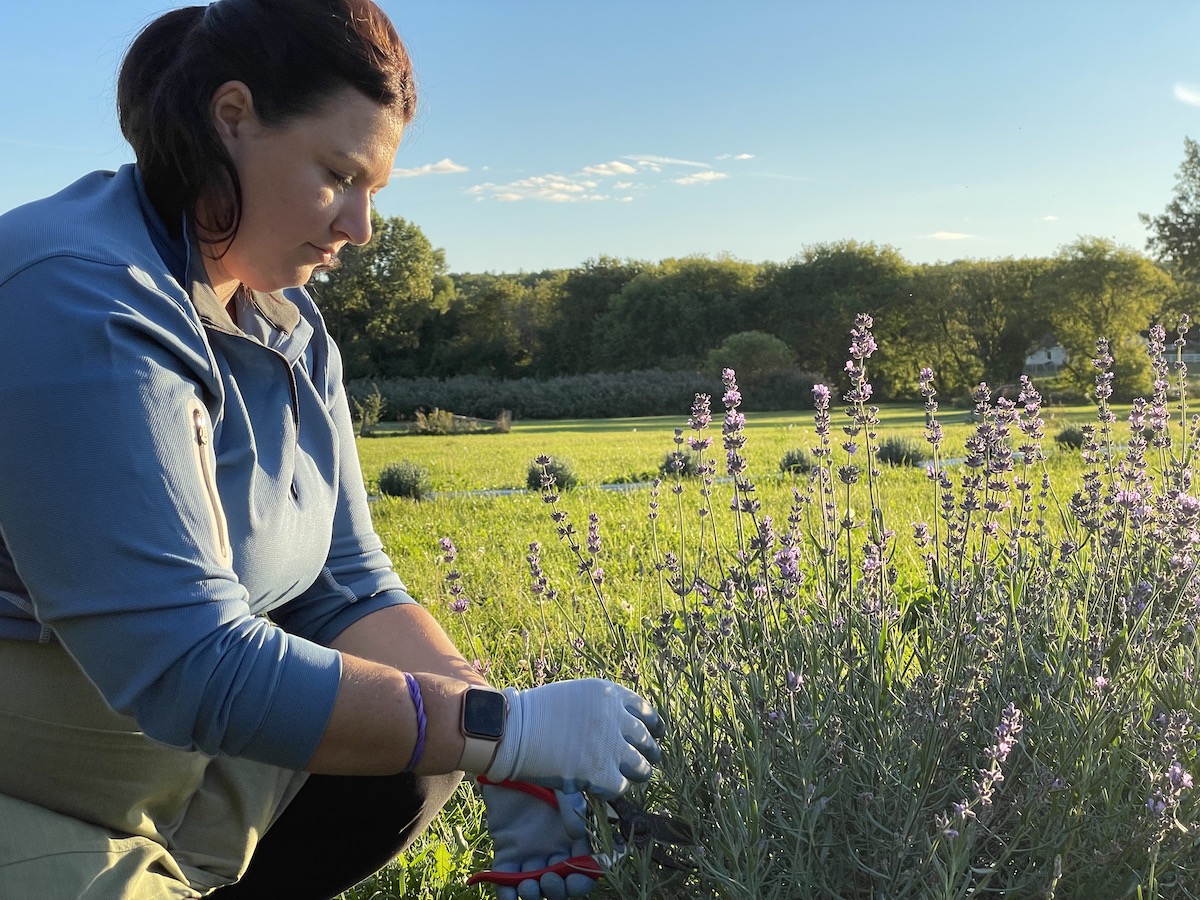
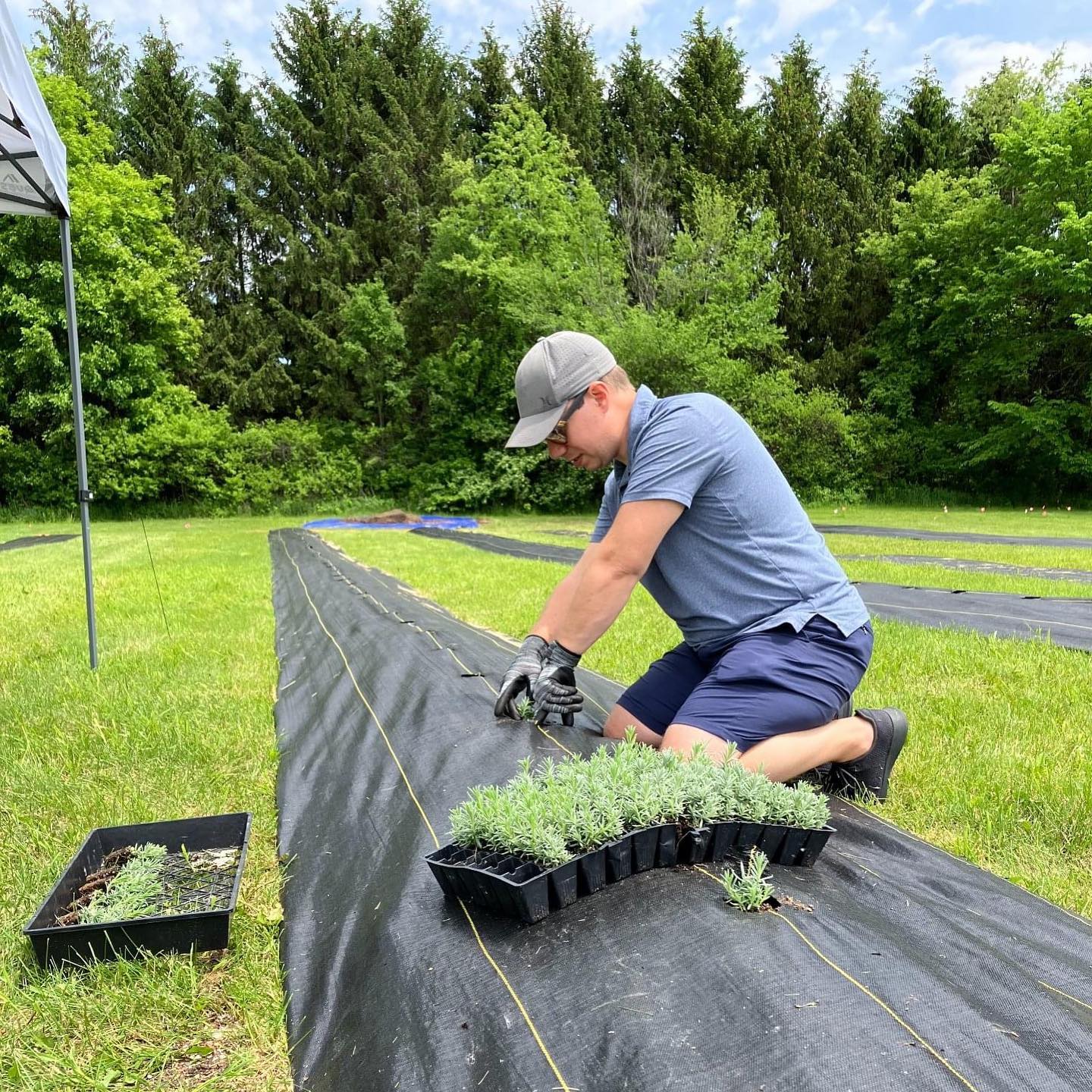
We’re Kim & Jason, college sweethearts who are embarking on our dream of creating a lavender farm and garden estate.
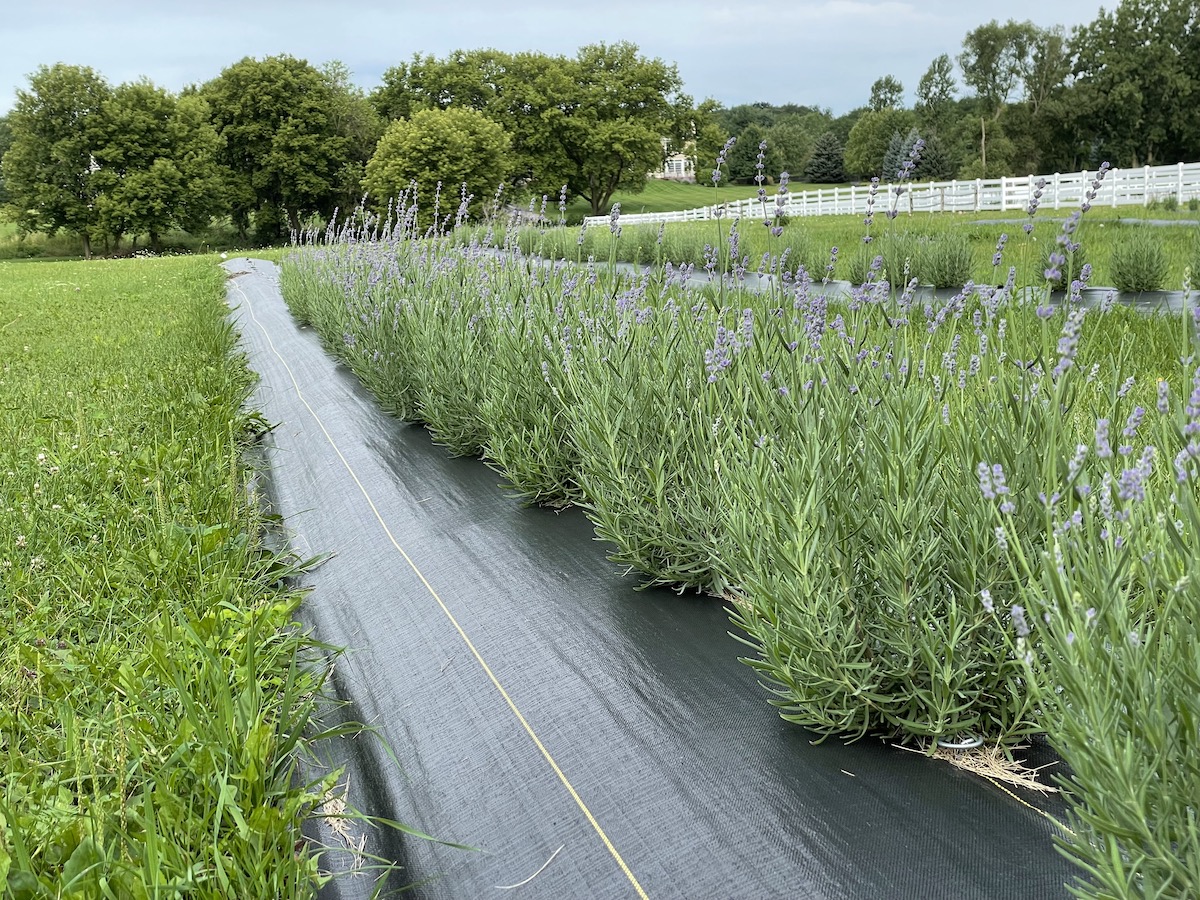
In July of 2020, that dream started to take shape. Just 90 minutes outside of Chicago, we decided to invest our savings on a 7.68 acre property in unincorporated Crystal Lake, Illinois. By 2021, we started preparing our space for an interactive u-pick experience and quality culinary and bath products. We specialize in lavender and sunflower growing, available for purchase on-farm or farmers market.
We Commit to Sustainable Floristry
Wherever possible, we make choices that protect the health of the earth, the environment, and the people touched in all aspects of the short life of a cut flower. This includes not only the flowers and the types of chemicals applied, but also the mechanics used, vase lifecycle management, and efforts to reduce plastics in packaging.
“Grown, Not Flown” is a phenomenal example of a movement and direct response to the broken floral system. It’s a philosophy we subscribe to, as well: a commitment to sourcing flowers from local and regional growers, rather than universally relying on the exploitive global supply chain.
The principles are straightforward:
- Transparency in sourcing: Know where flowers are grown, who grows them, and under what conditions.
- Regional economic support: Keep dollars in local and regional economies rather than funneling them to industrial operations abroad.
- Seasonal integrity: Whenever possible, favor product that actually grows in your local region and climate, rather than forcing year-round availability of specific blooms that are only available through global supply chains.
- Labor dignity: Support flower farms that pay livable wages and maintain safe working conditions, whether sourced from inside or outside the US.
- Environmental responsibility: Dramatically reduce carbon footprint through shorter supply chains and supporting growers who use sustainable practices.
We Favor Ethically-Sourced Flowers
Wherever possible, we commit to sourcing flowers locally from growers we know, when in-season. We’re especially concerned about this because this is what the industry doesn’t advertise:
Flower farm workers—overwhelmingly women—are exposed to hazardous pesticides with inadequate protection.
We’re not talking about mild herbicides. These are neurotoxins, endocrine disruptors, and carcinogens banned in the United States but legal in flower-exporting nations.
The health consequences are well-documented:
- Respiratory disorders from chronic pesticide exposure
- Neurological damage causing tremors and cognitive impairment
- Reproductive health issues including miscarriages and birth defects
- Musculoskeletal injuries from repetitive motion and long hours, leaving workers disabled by their 30s or early 40s
These aren’t isolated incidents.
They’re systemic outcomes of an industry built on exploiting labor in countries where worker protections are minimal and enforcement is nearly nonexistent.
Think about the parallels to other industries scrutinized for labor exploitation—conflict diamonds, fast fashion, cartel-controlled avocados. The flower industry operates with the same dynamics, but it’s largely escaped public awareness because flowers are seen as innocent, celebratory, romantic.
Nobody wants to think about suffering when they’re planning a wedding or decorating a hotel lobby. But the suffering is real.
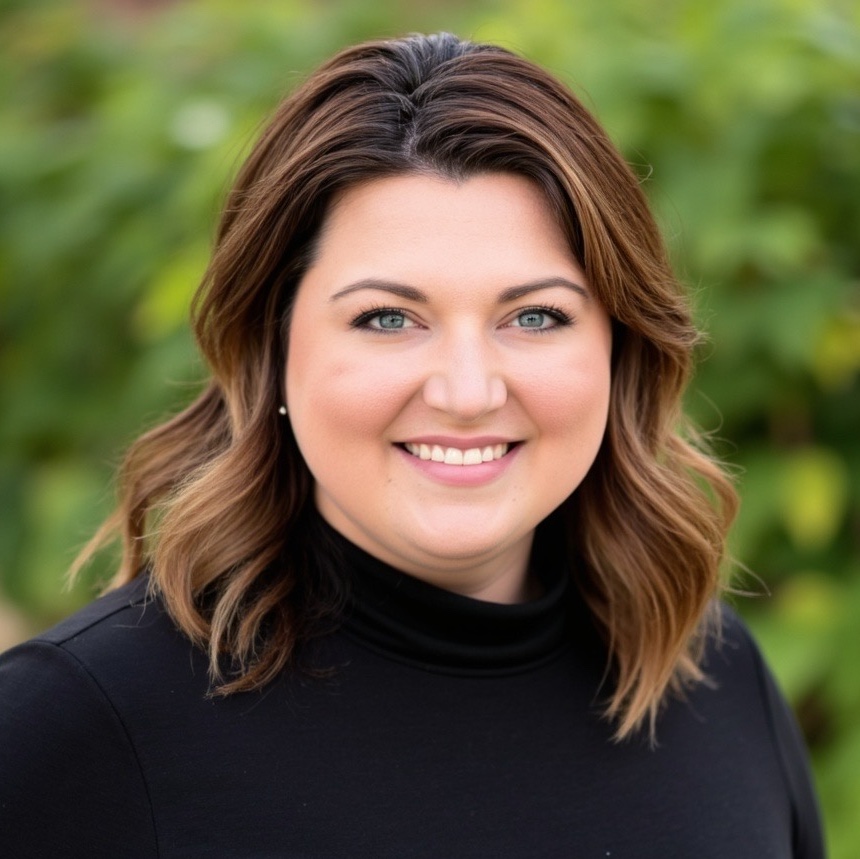
Kimberly Dazey
Jason Dazey