The Health Benefits of Gardening

Kimberly Dazey

Gardening has a number of health benefits, including:
- Physical activity: Gardening is a form of moderate physical activity that can help improve strength, flexibility, and endurance.
- Stress reduction: Gardening can be a relaxing and meditative activity that can help reduce stress and anxiety.
- Improved mental health: The act of gardening and being outside in nature has been linked to improved mood and feelings of well-being.
- Increased fruit and vegetable intake: Gardening can encourage people to consume more fruits and vegetables, which can improve overall nutrition and health.
- Exposure to nature: Gardening can provide an opportunity to be outside and connected to nature, which can have a range of health benefits including improved mental health, stress reduction, and improved immune function.
- Social connections: Gardening can also be a social activity, allowing people to connect with others and build relationships.
We will explore a few of these areas in greater detail.
Gardening and Physical Health
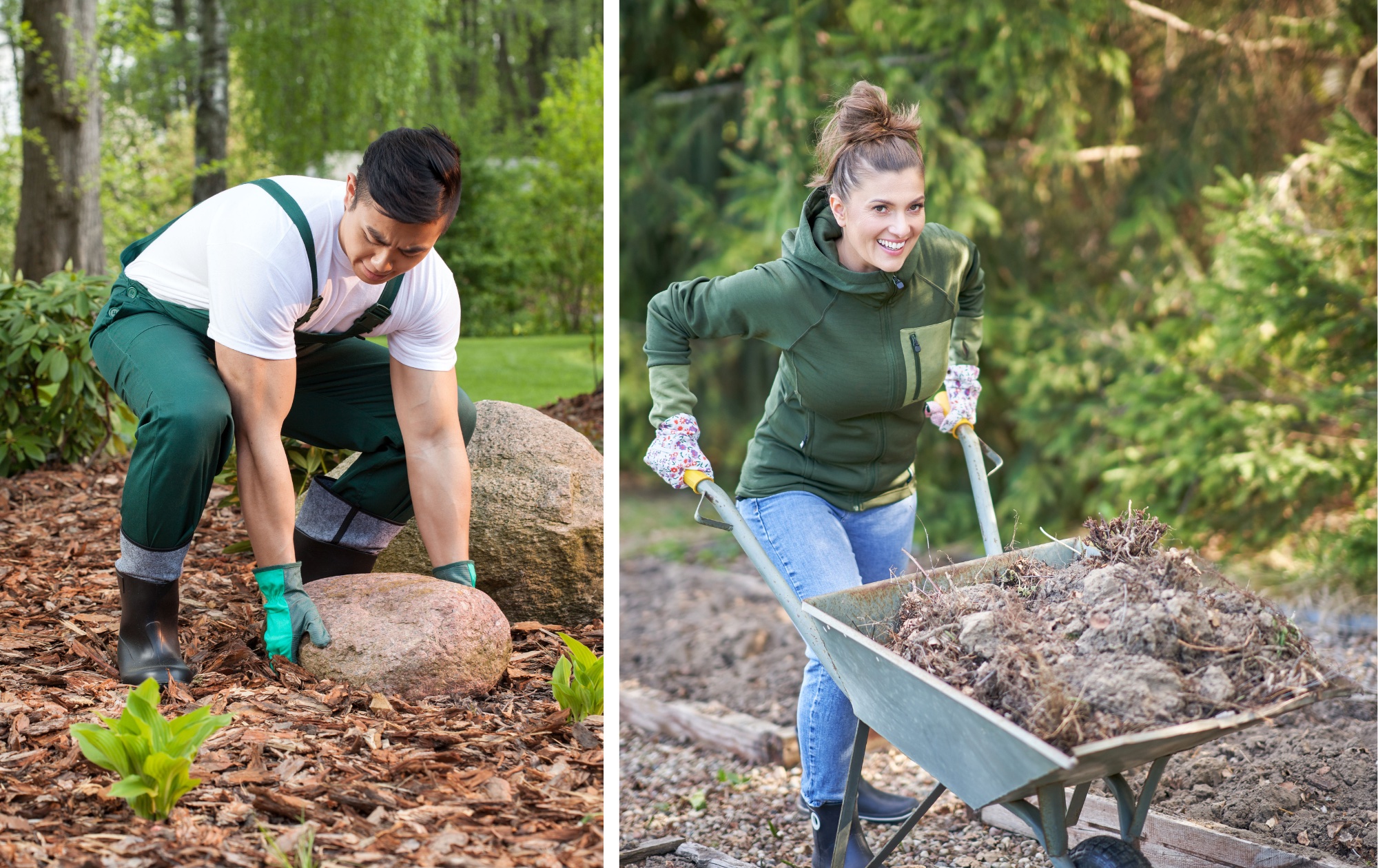
The number of calories burned while gardening can vary depending on the specific tasks being performed and the individual’s weight and intensity level. According to the Centers for Disease Control and Prevention (CDC), gardening can be considered a moderate-intensity physical activity, meaning that it burns approximately 200–300 calories per hour for a person weighing around 155 pounds. For a person weighing around 185 pounds, gardening can burn approximately 240–355 calories per hour.
Here are some examples of common gardening tasks and the estimated number of calories burned per hour:
- Weeding: 170–255 calories
- Planting seeds or seedlings: 200–295 calories
- Raking leaves: 255–375 calories
- Mowing the lawn with a push mower: 255–375 calories
It’s important to note that these estimates are rough and can vary based on individual factors such as weight, intensity level, and the specific tasks being performed. The best way to determine the number of calories burned while gardening is to use a calorie calculator or a device such as a pedometer or fitness tracker.
NAMI (the National Alliance on Mental Illness) is a nonprofit organization that provides support, education, and advocacy for people living with mental illness and their loved ones. NAMI notes that gardening can be a form of physical activity, which is important for overall health and well-being. Physical activity has been shown to improve mood, reduce stress, and improve overall physical health.
Gardening for Stress Reduction and Mental Health
Continuing on the topic of mental health, gardening has been shown to have a number of key benefits.
Gardening is often thought of as a relaxing and meditative activity, but studies show that it can help reduce stress and anxiety. Being outside in nature has been linked to improved mood and feelings of well-being. Additionally, gardening can give a sense of accomplishment and pride, which can boost self-esteem. It can also encourage mindfulness and present-moment awareness, which can help improve mental health and well-being.
NAMI recognizes the potential benefits of gardening for mental health and suggests that gardening can be a helpful and therapeutic activity for individuals living with mental illness.
According to NAMI, gardening can help reduce stress and anxiety, improve mood, and provide a sense of accomplishment and purpose. It can also be a way to connect with others and build social relationships. NAMI suggests that gardening can be a helpful form of self-care for individuals living with mental illness, and encourages people to find activities that bring them joy and promote mental well-being.
Gardening can also be a social activity, allowing a person to connect with others and build relationships. In this way, gardening can provide a sense of purpose and meaning, especially for those who may be facing retirement or other life transitions.
Access to Nutrient-dense Fruits and Vegetables
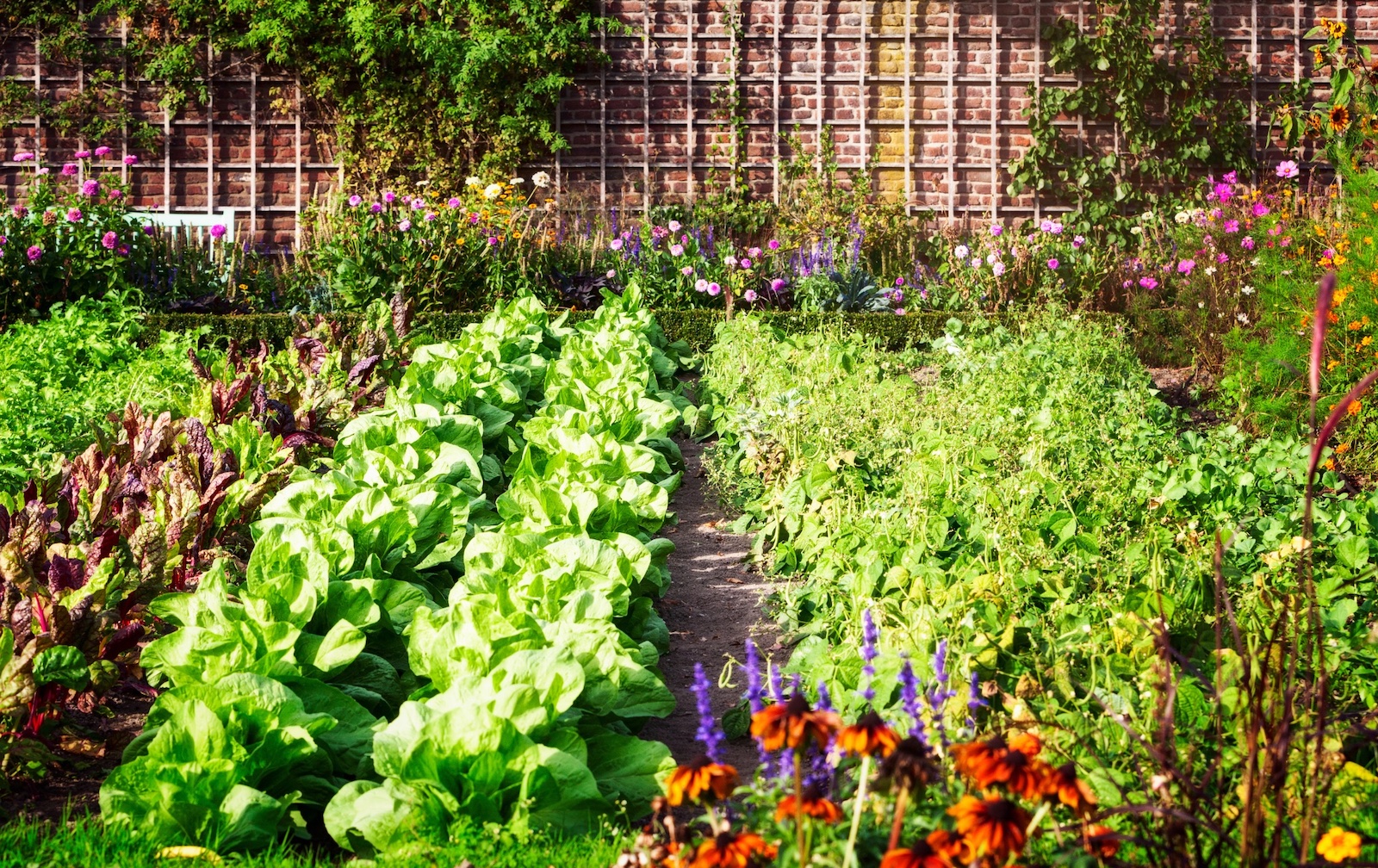
Gardening can potentially improve access to vitamins and minerals by providing a source of fresh, whole foods. Fruits and vegetables grown in a home garden are often fresher and more nutrient-dense than produce that has been transported long distances and may have been picked before it is fully ripe. Fruits and vegetables do lose some nutrients after they are picked, as the process of harvesting and storing the produce can cause the loss of certain nutrients. The specific nutrients that are lost and the extent of the loss can vary depending on the type of produce and how it is handled.
Here are a few factors that can affect the nutrient content of produce after it is picked:
- Time: Nutrients in produce can start to degrade as soon as the produce is picked, and the longer it takes for the produce to be eaten, the more nutrients it may lose.
- Storage conditions: Proper storage can help preserve the nutrient content of produce. For example, some produce, such as leafy greens, should be stored in a refrigerator to prevent wilting and nutrient loss.
- Cooking method: The way produce is cooked can also affect its nutrient content. For example, boiling vegetables can cause some nutrients, such as water-soluble vitamins, to leach out into the cooking water.
That being said, it’s important to note that the nutritional value of a home garden will depend on a number of factors, including the soil quality, the types of produce being grown, and the methods used to grow and store the produce. In order to get the most nutritional benefit from a home garden, it’s important to follow proper gardening techniques and to choose a variety of nutrient-rich fruits and vegetables.
Furthermore, home gardens can provide an opportunity to grow a wider variety of produce, including types of fruits and vegetables that may not be readily available in the local area.
It’s important to eat a variety of fresh fruits and vegetables to ensure that you are getting a wide range of nutrients. While some nutrient loss is inevitable, the overall nutritional value of fresh produce is still much higher than that of processed foods.
In summary, gardening can be a helpful way to improve access to fresh, whole foods and to increase the variety of fruits and vegetables in the diet, which can improve overall nutrition and health. Gardening can be a beneficial and therapeutic activity for individuals looking to improve both their physical and mental health.