The Health Benefits of Lavender

Kimberly Dazey
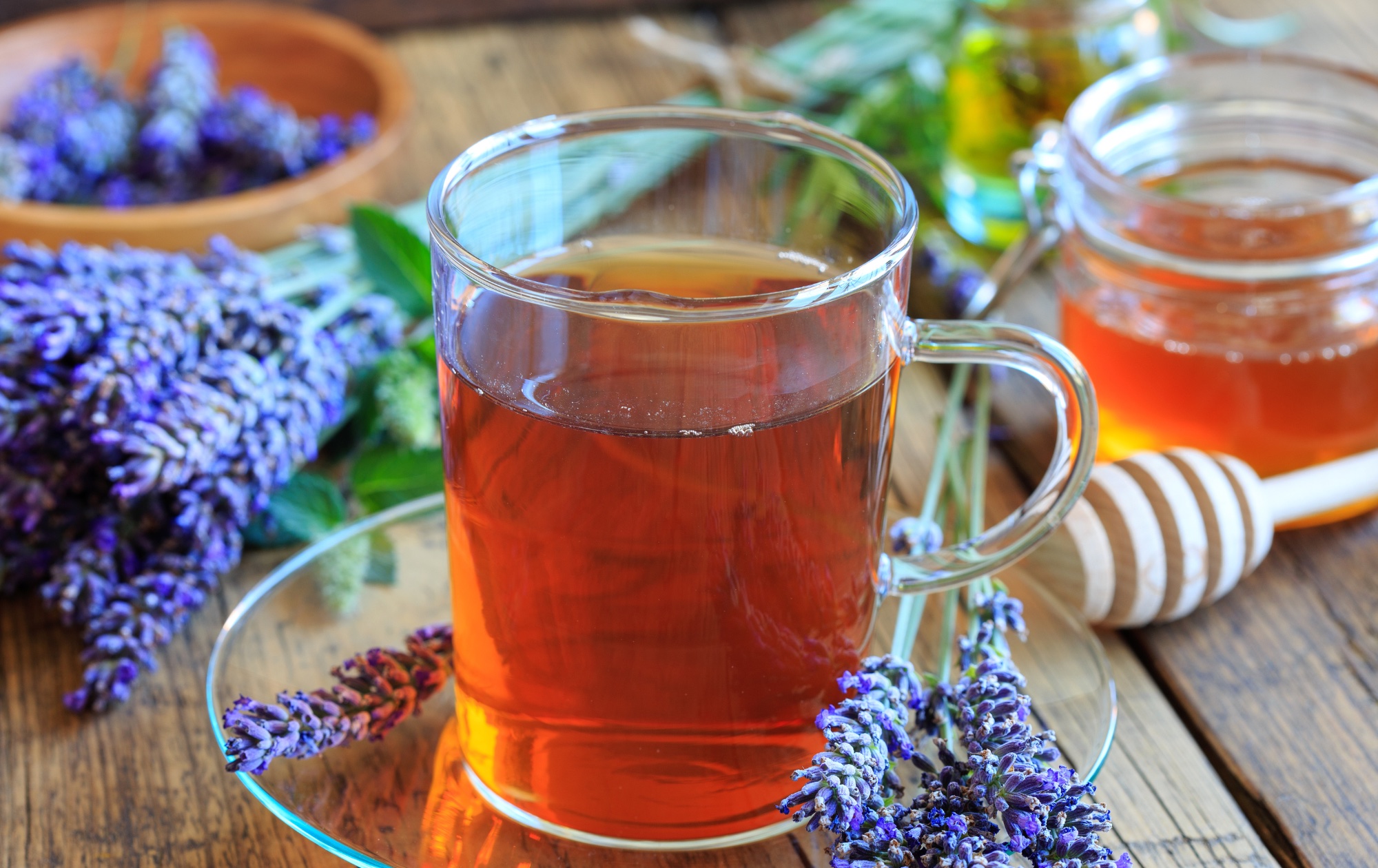
Lavender As Traditional Medicine
Culinary lavender refers to the use of lavender flowers, leaves, or buds as a culinary ingredient. Lavender has a sweet, floral taste and can be used to add flavor to a variety of dishes, including desserts, baked goods, and savory recipes.
Lavender has a long history of use in traditional medicine, and is believed to have several health benefits when consumed or applied to the skin. Some of the potential benefits of cooking with lavender include:
- Reducing anxiety and promoting relaxation: Lavender has a soothing, calming effect that may help to reduce anxiety and promote relaxation.
- Improving sleep: Lavender is often used as a natural sleep aid, as it is believed to help improve sleep quality and duration.
- Reducing pain: Lavender may have pain-relieving properties, and has been used to help alleviate muscle aches and pains, as well as headache and toothache.
- Enhancing digestion: Lavender has been used to help improve digestion and reduce bloating and gas.
- Reducing inflammation: Lavender has anti-inflammatory properties, and may help to reduce inflammation in the body.
- Antibacterial: Lavender has antibacterial properties and may help kill or inhibit the growth of bacteria.
So, how and why does lavender work in these ways? We’ll explore.
Using Lavender for Anxiety and Relaxation
Lavender has a long history of use as a natural remedy for anxiety and stress. While the exact mechanism by which lavender may reduce anxiety is not fully understood, there is some evidence to suggest that it may work by increasing levels of certain brain chemicals that are involved in regulating mood, such as serotonin and GABA.
Using Lavender To Improve Sleep
Lavender is often used as a natural sleep aid, as it is believed to help improve sleep quality and duration. The exact mechanism by which lavender may work to improve sleep is not fully understood, but there are several potential explanations:
- Lavender has a calming, relaxing effect on the body and mind, which may help to promote relaxation and reduce feelings of anxiety and stress.
- Lavender has been shown to reduce levels of the stress hormone cortisol, which can interfere with sleep.
- Lavender may help to increase the production of certain brain chemicals that are involved in regulating sleep, such as GABA and serotonin.
- The pleasant scent of lavender is thought to have a soothing, calming effect on the mind, which may help to promote sleep.
Using Lavender for Pain Reduction
Lavender has been used traditionally to help reduce pain and inflammation. While the exact mechanism by which lavender may reduce pain is not fully understood, some research suggests that it may work by inhibiting the production of pro-inflammatory cytokines, which are proteins that help to regulate the immune response and can contribute to inflammation and pain.
There is also some evidence to suggest that lavender may have an effect on the body’s production of pain-relieving chemicals, such as endorphins. In addition, the calming, relaxing effects of lavender may help to reduce feelings of stress and anxiety, which can contribute to pain perception.
Using Lavender to Improve Digestion
Lavender has been used traditionally to help improve digestion and reduce bloating and gas. While the exact mechanism by which lavender may enhance digestion is not fully understood, there are several potential explanations:
- Lavender may help to relax the muscles of the digestive tract, which can help to improve the movement of food through the intestines and reduce bloating and gas.
- Lavender may help to reduce inflammation in the digestive tract, which can contribute to digestive discomfort.
- Lavender may help to reduce stress and anxiety, which can have a positive effect on digestion. Stress and anxiety can interfere with the normal functioning of the digestive system and can contribute to digestive issues such as constipation and diarrhea.
Using Lavender to Reduce Inflammation
Lavender has anti-inflammatory properties, which means it may help to reduce inflammation in the body. Inflammation is a natural response of the body’s immune system to injury or infection, and is characterized by swelling, redness, heat, and pain. Chronic inflammation can contribute to the development of a number of different health conditions, including heart disease, cancer, and autoimmune diseases.
There are several different compounds in lavender that may contribute to its anti-inflammatory activity, including linalool, linalyl acetate, and camphor. Some research suggests that these compounds may work by inhibiting the production of pro-inflammatory cytokines, which are proteins that help to regulate the immune response and can contribute to inflammation.
Lavender as an Antibacterial Agent
Lavender has antibacterial properties, which means it may help to kill or inhibit the growth of bacteria. There are several different compounds in lavender that may contribute to its antibacterial activity, including linalool, linalyl acetate, and camphor.
Lavender has been shown to be effective against a wide range of bacteria, including Escherichia coli (E. coli), Staphylococcus aureus (S. aureus), and Pseudomonas aeruginosa. It has also been shown to have activity against some fungi and viruses.
Lavender oil is often used in aromatherapy as a natural antibacterial agent, and is also used in natural cleaning products and personal care products. In addition, lavender tea and other preparations made from the dried flowers of the lavender plant are sometimes used to help treat infections and other conditions that may be caused by bacteria.
Scientific Study of Lavender
It’s worth noting that the antibacterial effects of lavender have not been extensively studied in scientific research, and more research is needed to fully understand how it may work to kill or inhibit the growth of bacteria.
It’s also worth noting that most of these potential health benefits are based on traditional uses of lavender and have not been extensively studied in scientific research. More research is needed to fully understand the health benefits of lavender.
However, there is evidence to suggest that lavender may have a calming effect on the nervous system, which may help to reduce anxiety and promote relaxation. In addition, the pleasant scent of lavender is thought to have a soothing, calming effect on the mind, which may help to reduce anxiety and promote a sense of well-being.
There is also some limited scientific evidence to support the use of lavender for improving digestion, although more research is needed to fully understand how it works and to determine the optimal dosages and methods of use. In the meantime, many people find that using lavender tea can be helpful for improving digestion.
Additionally, science has some evidence to support the use of lavender for reducing inflammation, although more research is needed to fully understand how it works and to determine the optimal dosages and methods of use. In the meantime, many people find that using lavender in the form of essential oils or tea can be helpful for reducing inflammation and relieving inflammation-related discomfort.