What Is Culinary Lavender?

Jason Dazey
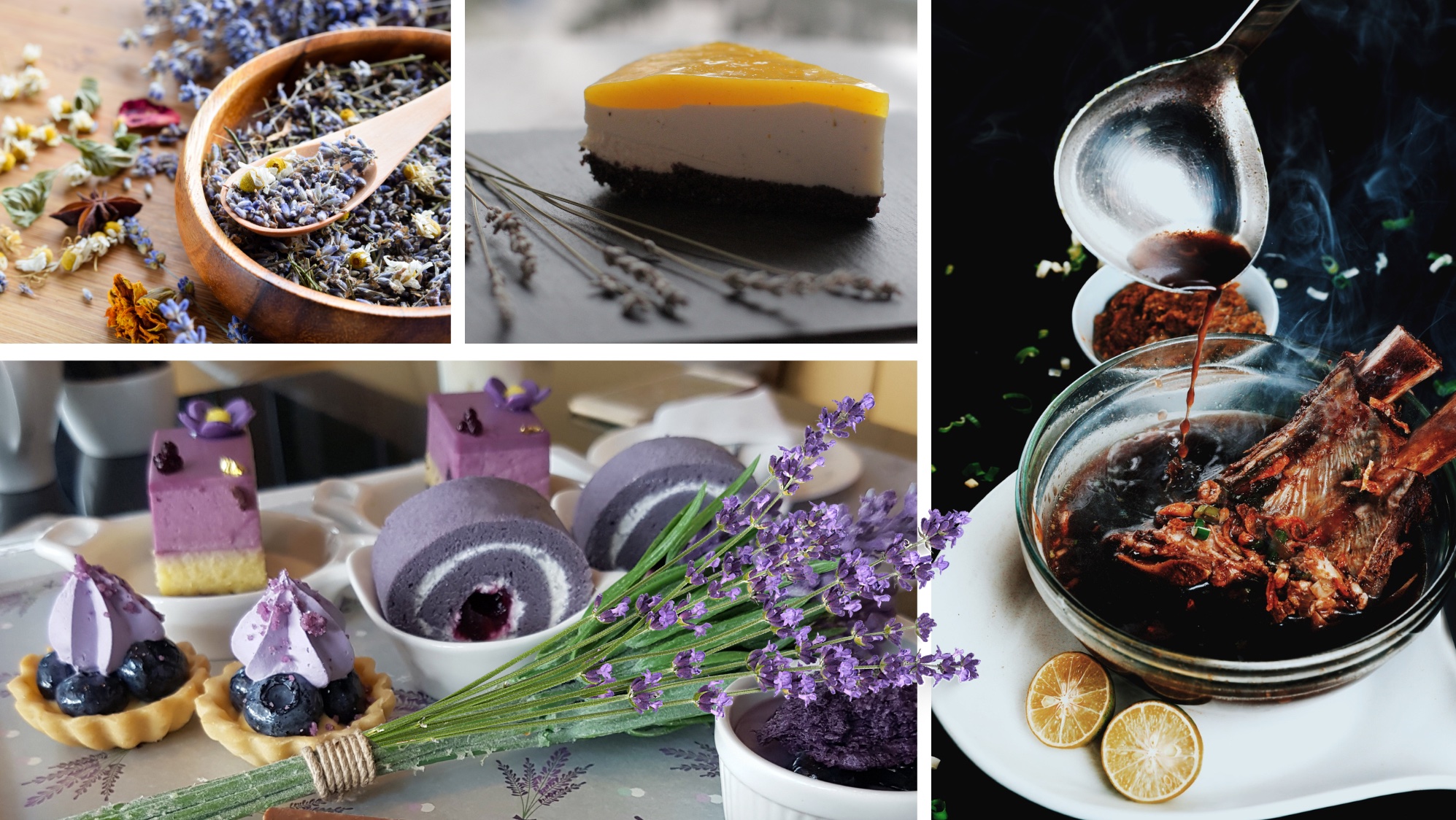
It is important to use culinary-grade lavender varieties for cooking, as other types of lavender may not be safe for consumption. Culinary-grade lavender includes English varieties like Munstead lavender and Hidecote lavender. These are also more cold-hardy varieties than French or Spanish lavenders, so they survive better in the Chicagoland area than others, which would be considered annuals.
How Do I Prepare Culinary Lavender?
To prepare lavender for culinary use, you will want to first start with culinary lavender. This is a variety of lavender that is grown specifically for use in food and has a more subtle flavor.
To use lavender in cooking, you will need to remove the dried bud from the stem. You can do this by gently pulling the flowers off with your fingers or using small scissors. Once you have removed the bud, you can chop them finely, grind them with a mortar and pestle, or leave them whole. Their preparation will depend on your recipe.
How To Use Lavender in Recipes
It is important to note that lavender can have a strong flavor. When using lavender in cooking or baking, it is usually added in small amounts, as the flavor can be quite strong. It is also a good idea to start with a small amount and adjust to taste, as too much lavender can make a dish taste soapy or perfumed.
Lavender is often used to flavor sweets and desserts, but it can also be used in savory dishes like roast lamb, pork, turkey, or chicken. You can also infuse lavender into oils or syrups for use in dressings, marinades, and cocktails.
Our Favorite Recipes
The Health Benefits of Lavender
Lavender has a long history of use in traditional medicine, and is believed to have several health benefits.
What Venues & Hotels Should Know About Their Floral Decor
Uncover the ethical and environmental costs of imported flowers. Learn how hotels and venues can source sustainable, local florals to align with wellness goals.