What Venues & Hotels Should Know About Their Floral Decor

Kimberly Dazey
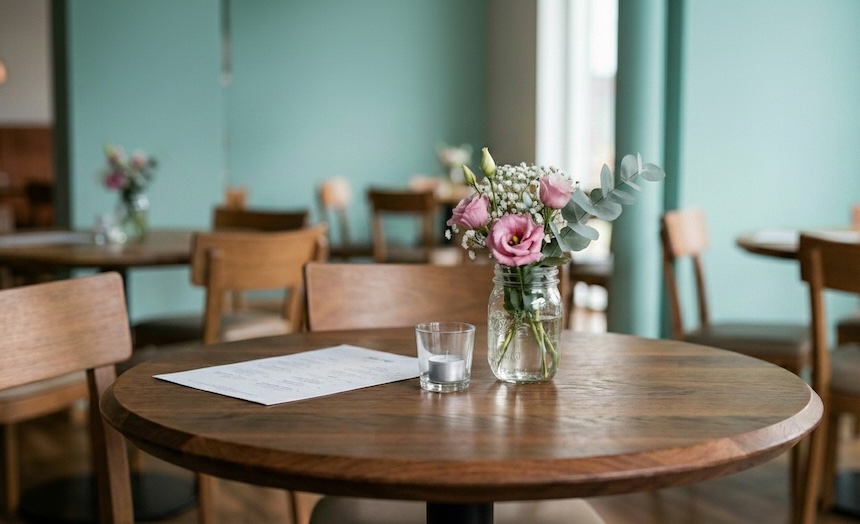
Most businesses who work with florists don’t think twice about where the flowers come from. They’re beautiful, they’re fresh (or so it seems), and they’re everywhere—from hotel lobbies to wedding venues to your restaurant’s tables.
But the flowers decorating American spaces have a story most buyers never hear, and it’s one that should matter to anyone who cares about ethical sourcing.
If your organization tracks where your coffee beans come from or vets your linen suppliers for labor practices, it’s time to ask the same questions about your flowers.
The Industry Transformation Nobody Talks About
In the 1990s, the U.S. flower industry underwent a complete restructuring. What was once a thriving domestic growing sector became almost entirely import-dependent, with approximately 80% of cut flowers sold in the United States now arriving from Colombia and Ecuador.
This wasn’t a natural market evolution. It was a race to the bottom driven by one factor: cheap labor in countries with minimal regulatory oversight.
The flowers decorating most hotels, event spaces, and retail locations have traveled thousands of miles under refrigeration, treated with pesticides that would be illegal to use on U.S. soil, and handled by workers exposed to conditions that would make Upton Sinclair turn in his grave. The working condition violations would be significant if the producers worked domestically.
The Labor Exploitation Behind Your Centerpieces
Here’s what the industry doesn’t advertise:
Flower farm workers—overwhelmingly women—are exposed to hazardous pesticides with inadequate protection.
We’re not talking about mild herbicides. These are neurotoxins, endocrine disruptors, and carcinogens banned in the United States but legal in flower-exporting nations.
The health consequences are well-documented:
- Respiratory disorders from chronic pesticide exposure
- Neurological damage causing tremors and cognitive impairment
- Reproductive health issues including miscarriages and birth defects
- Musculoskeletal injuries from repetitive motion and long hours, leaving workers disabled by their 30s or early 40s
These aren’t isolated incidents.
They’re systemic outcomes of an industry built on exploiting labor in countries where worker protections are minimal and enforcement is nearly nonexistent.
Think about the parallels to other industries scrutinized for labor exploitation—conflict diamonds, fast fashion, cartel-controlled avocados. The flower industry operates with the same dynamics, but it’s largely escaped public awareness because flowers are seen as innocent, celebratory, romantic.
Nobody wants to think about suffering when they’re planning a wedding or decorating a hotel lobby. But the suffering is real.
The Environmental Toll
The labor exploitation is only part of the story. The environmental cost of the global flower supply chain compounds the ethical problems:
Carbon footprint of refrigerated air freight
Flying millions of stems across continents weekly requires enormous energy. Your “fresh” roses may have a carbon footprint larger than many food products because they’re perishable, requiring constant refrigeration during transport.
Pesticide contamination
Runoff from flower farms poisons local water supplies in growing regions. Communities near these farms face elevated cancer rates and developmental disorders in children—externalities that never appear on an invoice.
Monoculture farming
Industrial flower production depletes soil, eliminates biodiversity, and requires intensive chemical inputs to maintain productivity on degraded land.
Plastic waste
Intercontinental flower shipping generates enormous plastic waste—protective sleeves, water tubes, packaging materials—most of which ends up in landfills or oceans.
For organizations tracking their environmental impact or working toward sustainability certifications, imported flowers represent a significant hidden liability.
The Wellness Contradiction
Should your property be a LEED-certified hotel, wellness-focused venue, or property marketing a commitment to healthy buildings, this implies an interest in the well-being of guests and employees. The company has likely invested heavily in air quality, low-VOC materials, and green building standards.
So, how do companies justify bringing fresh batches of pesticide-laden flowers each week and all year long into your hotel or venue spaces? It seems incongruous to work with florists without ensuring their values align with the broader company goals, as well.
Flowers treated with pesticides banned in the United States arrive with chemical residues still present on petals, stems, and foliage, and in indoor situations, residues and vapors may not dissipate the way they would outdoors. When these toxins are released into indoor air, they are inhaled by occupants of the space, leading to respiratory issues, headaches, and other health problems, and can exacerbate allergies and asthma symptoms. Likely, not a concern for guests experiencing this environment for a limited time, but a significant issue for employees.
Consider the contradiction… You’ve pursued LEED certification. You’ve installed advanced HVAC filtration. You specify low-VOC paints and adhesives. You market your property as health-conscious or wellness-oriented. You’ve banned smoking throughout the building. …And then you’re regularly introducing organophosphates, carbamates, and neonicotinoids—chemicals banned for use on U.S. soil—into your lobby, ballrooms, guest rooms, and restaurants.
The worker exposure issue is particularly well-documented
Studies have shown that pesticides used in cut flowers can easily be absorbed through the skin of anyone handling contaminated flowers. In one study, eight pesticide residues and metabolites were detected per urine sample of those interacting with imported florals. This includes your housekeeping staff refreshing arrangements and your event staff setting up weddings and conferences.
Additionally, employees not touching the arrangements are breathing air contaminated by pesticide off-gassing in lobbies and event spaces.
The straightforward solution
Regional flowers eliminate this contradiction entirely. Flowers grown under U.S. regulations—particularly from growers using organic or low-spray methods—don’t carry the same pesticide residue burden.
Of course, this cannot be achieved all year long in the midwest. But, by working with florists who make significant efforts to source responsibly when they are able, you’re introducing significantly fewer banned chemicals into your carefully managed indoor environment. You’re reducing staff exposure to substances that are illegal to use domestically. And your sustainability narrative becomes more aligned and coherent across all aspects of your operation.
What Sustainable Floristry Means
Sustainable florists make choices that protect the health of the earth, the environment, and the people touched in all aspects of the short life of a cut flower. This includes not only the flowers and the types of chemicals applied, but also the mechanics used, vase lifecycle management, and efforts to reduce plastics in packaging.
“Grown, Not Flown” is a movement and direct response to counter the broken system. It’s a commitment to sourcing flowers from local and regional growers, rather than universally relying on the exploitive global supply chain.
The principles are straightforward:
- Transparency in sourcing: Knowing where flowers are grown, who grows them, and under what conditions.
- Regional economic support: Keeping dollars in local and regional economies rather than funneling them to industrial operations abroad.
- Seasonal integrity: Favoring product that actually grows in your region and climate, rather than forcing year-round availability of specific blooms that are only available through global supply chains.
- Labor dignity: Supporting flower farms that pay livable wages and maintain safe working conditions, whether sourced from inside or outside the US.
- Environmental responsibility: Dramatically reducing carbon footprint through shorter supply chains and supporting growers who use sustainable practices.
The Realities of Seasonal Sourcing in Chicago
Let’s be clear: sustainable floristry isn’t absolute. It doesn’t mean zero access to a broader supply chain. It means being strategic and intentional.
In-season (May through October in the Midwest)
Regional growers can provide abundant material—garden roses, zinnias, dahlias, cosmos, sunflowers, seasonal branches. This is when local sourcing delivers maximum impact and quality.
Off-season (November through April)
Options become more limited, but thoughtful sourcing still matters. Domestic growers in warmer climates, carefully selected imported stems for specific needs, and creative use of branches, evergreens, and dried or preserved blooms create beautiful work without defaulting entirely to the exploitative supply chain.
The goal isn’t purity; it’s progress.
A venue that sources 60% of its flowers locally during peak season and makes thoughtful choices the rest of the year is making a significant difference compared to one that unquestioningly uses conventional suppliers year-round.
Why This Matters for Hotels, Venues, and Event Spaces
If your organization already scrutinizes supply chains for other products—fair trade coffee, sustainable seafood, conflict-free minerals—flowers deserve the same level of attention.
Here’s why:
Brand alignment
Guests and clients increasingly expect ethical sourcing across all vendor relationships. A commitment to local flowers reinforces your sustainability narrative and differentiates you from competitors still using conventional suppliers.
Better product
Fresh-from-the-field flowers mean longer-lasting arrangements, which translates to better value and fewer replacements. Your lobby arrangements stay vibrant longer. Wedding flowers hold up through ceremony, cocktail hour, and reception without wilting.
Marketing advantage
“Locally sourced seasonal florals” is a selling point for eco-conscious clients—particularly couples planning destination weddings at your venue or corporate clients with sustainability mandates.
Community relationships
Partnering with regional growers builds local business relationships and creates storytelling opportunities. Your hotel’s signature lobby arrangements featuring locally-grown dahlias become a talking point, not just decoration.
Risk mitigation
As consumer awareness of labor exploitation grows (see: fast fashion boycotts, conflict mineral regulations), early adopters of ethical sourcing avoid future reputational risk.
The Economic Case for Venues & Hotels Working With Sustainable Florists
Fresh flowers aren’t just an aesthetic choice—they’re a cost consideration. A stem cut yesterday morning (even one without water) from a farm 50 miles away will always outlast one that spent two to four days in refrigerated transport crossing continents.
Better vase life means:
- Lobby arrangements last around 10 days instead of 5–7. You’re replacing them almost half as often, but at a minimum, are saving yourself 25%. This means 25–50% reduced waste, staff time, replacement costs, and reduced disposal or composting volume.
- Event flowers hold up through the entire occasion. Fewer emergency re-orders from centerpieces wilting by the end of the day.
The pricing equation is more balanced than it appears
Yes, local flowers grown with U.S. labor standards cost more per stem than imported product. But when those stems last twice as long, your total annual floral budget may actually decrease—or at minimum, you’re getting significantly better value for the same spend.
For properties with weekly lobby arrangements, this compounds quickly: 52–55 orders per year becomes around 30–40.
For hotels who once got floral deliveries weekly, the waste reduction alone can offset a higher floristry cost per arrangement (prices impacted by per-stem price increases from US-grown product).
Questions To Ask Your Hotel Florist
If this matters to your organization, here’s how to vet potential floral partners:
“What percentage of your flowers are locally or regionally sourced during the growing season?”
This reveals whether they’re actually committed or just using “local” as marketing language.
“Can you provide transparency about where imported flowers come from and under what labor conditions?”
A florist serious about ethical sourcing will have answers. One who deflects or can’t provide details is probably not asking these questions of their suppliers either.
“How do you minimize plastic waste in your processes?”
This separates those genuinely committed to sustainability from those treating it as a checkbox.
“What seasonal options can you offer that maximize local sourcing?”
A knowledgeable florist can suggest alternatives that work with regional availability rather than fighting against it.
The responses will tell you everything you need to know about whether they’re a partner aligned with your values or a vendor trying to upsell you on roses flown in from exploitative countries.
A Different Approach Is Possible
The flower industry’s dependence on exploitation isn’t inevitable—it’s a choice made by businesses prioritizing margin over ethics. Choosing differently sends a clear market signal.
When venues, hotels, event spaces, and discerning clients demand transparency and ethical sourcing, the industry has to respond. Every event that opts for seasonal local flowers, every hotel that partners with regional growers, every corporate client that asks hard questions about supply chains—these decisions accumulate into systemic change.
You don’t have to accept the status quo. There are florists who work directly with local farms, and source thoughtfully. The flowers are fresher, the arrangements are more distinctive, and you can tell your clients and guests exactly where the beauty in your space comes from—without hidden costs paid by invisible workers thousands of miles away.
Work With a Florist With A Local Mindset
At Five Petal, we’re not just arranging flowers—we’re growing them. We understand seasonality because we’re in the fields. We know quality because we’ve watched stems fail and succeed. And we’re committed to transparency about sourcing because we’ve seen the alternative up close.
Whether you’re an operations or interiors coordinator looking for a floral partner who aligns with your sustainability commitments, a hotel seeking distinctive seasonal lobby arrangements, or an event planner looking for options that reflect your or your clients’ values, we can help you create something beautiful.